
 ★ 8.6Guardian: The Lonely and Great God2016 · 16 episodes
DramaSee: Korean dramas and movies worth your evenings, from Crash Landing on You, Guardian and Reply 1997 to Extraordinary Attorney Woo, Business Proposal and When Life Gives You Tangerines, and where to watch them
127 series, 2,610 episodes and 49 films, each with its cast, its episodes and a Watch now button.
Popular dramas
The most watched series
★ 8.6Guardian: The Lonely and Great God2016 · 16 episodes ★ 8.3True Beauty2020 · 16 episodes
 ★ 8.2Love Alarm2019 · 14 episodes
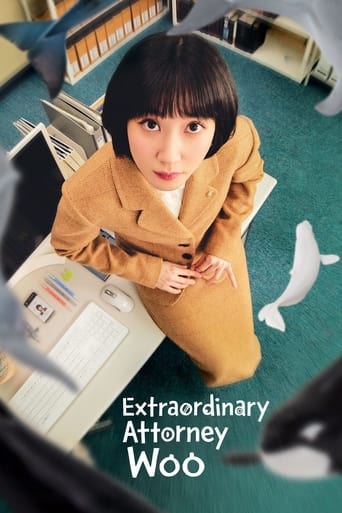 ★ 8.5Extraordinary Attorney Woo2022 · 16 episodes
 ★ 8.4W2016 · 16 episodes
 ★ 8.5Crash Landing on You2019 · 16 episodes
 ★ 8.5Weightlifting Fairy Kim Bok-joo2016 · 16 episodes
 ★ 8.2The King: Eternal Monarch2020 · 16 episodes
 ★ 8.5My Holo Love2020 · 12 episodes
 ★ 8.3Descendants of the Sun2016 · 16 episodes
Romance
Love stories, slow and sweet
 ★ 7.7
 ★ 8.6
 ★ 8.5
 ★ 8.3
 ★ 8.2
Historical
Palaces, scholars and silk
 ★ 8.5
 ★ 8.5
 ★ 7.2
 ★ 7.1
 ★ 7.6
Fantasy
Goblins, time slips and second lives
 ★ 7.0
 ★ 8.5
 ★ 7.9
 ★ 8.4
 ★ 8.1
Workplace
Offices, hospitals and kitchens
 ★ 8.2
 ★ 8.2
 ★ 8.3
 ★ 8.1
 ★ 8.3
School and youth
First loves and old classmates
 ★ 8.3
 ★ 8.2
 ★ 8.5
 ★ 7.7
 ★ 7.2
Movies
Korean films for one evening
 ★ 7.2Extreme Job2019 · Movie
 ★ 7.6EXIT2019 · Movie
 ★ 8.0The Way Home2002 · Movie
 ★ 7.2Vanishing Time: A Boy Who Returned2016 · Movie
 ★ 7.1Hot Young Bloods2014 · Movie
 ★ 7.5Microhabitat2018 · Movie
 ★ 7.2Scandal Makers2008 · Movie
 ★ 6.9The Foul King2000 · Movie
 ★ 7.3A Millionaire's First Love2006 · Movie
 ★ 7.5More Than Blue2009 · Movie
Top rated
Scored eight or higher
 ★ 8.8
 ★ 8.1
 ★ 8.6
 ★ 8.1
 ★ 8.2
The DramaSee guide to Korean dramas and movies
DramaSee: Korean dramas and movies worth your evenings, from Crash Landing on You, Guardian and Reply 1997 to Extraordinary Attorney Woo, Business Proposal and When Life Gives You Tangerines
Somewhere in the last twenty years, Korean television became one of the world's favourite kinds of storytelling. Viewers in Manila, São Paulo, Cairo and Chicago learned to read subtitles for the sake of a chaebol heir caught in the rain or a palace cook with a talent for medicine. DramaSee is a guide to that world for English-speaking viewers. It lists 127 Korean drama series with 2,610 episodes and 49 Korean films, made between 1999 and 2025, and every one has a page with its cast, a short summary, its rating, its episodes in order and a button that leads to the official services where it can be watched.
The selection is the gentle side of Korean drama: romance, comedy, family and the kind of fantasy that warms more than it frightens. A hundred and thirty-eight titles have a love story at their centre and ninety-nine are comedies. Twenty-eight are set in a workplace, twenty-two at school or on campus, twenty-one in a world touched by fantasy and eighteen in the courts and villages of old Korea. Twenty are family stories and thirteen follow musicians or dancers. Twenty-six titles date from before 2010, twenty-eight from 2010 to 2014, sixty-two from 2015 to 2019 and sixty from the 2020s. Forty-seven hold an audience rating of eight or higher.
The Watch now button opens JustWatch for the country you choose and shows the subscription, rental, purchase and free services that carry the title there. DramaSee itself is a guide: it describes, sorts and points the way. The how to watch page explains the steps in a few lines.
What a Korean drama is
A viewer raised on American or British television will find the Korean drama built differently, and the difference is its great strength. Most dramas are a single season. A story begins in the first episode and ends in the last, usually the sixteenth, and each episode runs for an hour or a little more. There is a beginning, a middle and an end, planned from the start, which gives the form the shape of a long novel and spares its audience the fate of a series that fades away.
Within that shape, certain pleasures recur. The romance moves slowly: a first meeting that goes badly, weeks of bickering, a shared umbrella, a hand held in the eighth episode that feels like an earthquake. Food is everywhere, cooked, shared and argued over. Families matter, grandmothers above all. And the music is written for the drama, so that a few notes of a ballad can bring a whole scene back months later.
Longer forms exist beside the sixteen-episode standard. Historical sagas often run to fifty or sixty episodes, and the family dramas shown at weekends can pass a hundred. Shorter ones, of eight or twelve, have become common on streaming services. The episode count is printed on every card on DramaSee so that you know what you are taking on. The new to Korean drama page suggests where to begin, and the finding titles page lists every route into the catalogue.
The dramas everyone has seen
A handful of titles are the common language of drama fans, and they make the best introduction. Crash Landing on You is the most famous. A fashion heiress from Seoul is caught in a storm while paragliding and comes down on the wrong side of the border, where a northern army captain finds her in a tree. The drama's sixteen episodes move between comedy, suspense and one of the most affecting love stories on television, and the villagers who shelter the heroine are as memorable as the leads.
Guardian: The Lonely and Great God is the great fantasy. A general of the Goryeo era has lived for nine hundred years as an immortal goblin and waits for the one person who can end his long life; she turns out to be a cheerful schoolgirl who can see ghosts. His flatmate is a grim reaper with a fondness for hats. The drama is by turns funny and deeply melancholy, and its autumn scenes in Quebec sent fans there by the thousand.
Descendants of the Sun made stars of its two leads across Asia in 2016, as an army captain and a surgeon posted to a fictional country far from home. What's Wrong with Secretary Kim is the definitive office romance: a vain young vice-chairman is thrown into confusion when the secretary who has run his life for nine years hands in her notice. And Extraordinary Attorney Woo, about a brilliant young lawyer with autism who loves whales and palindromes, became in 2022 one of the most watched dramas in the world.
The newest member of the group is When Life Gives You Tangerines, which follows a girl from Jeju Island and the boy who adores her from the 1950s to the present day, through four seasons of a life. It holds the highest rating on DramaSee. With Business Proposal, Hometown Cha-Cha-Cha and Reply 1997, described below, these are the titles a newcomer is most likely to be told to watch first, and the advice is sound.
Romance
Love is the heart of Korean drama, and almost every title here has a romance in it. The office is the favourite setting. In Business Proposal a food researcher goes on a blind date in place of a friend, with orders to put the man off, and discovers that he is the new chief executive of her own company. In King the Land a hotel heir who dislikes a false smile meets an employee famous for her sincere one. Her Private Life gives a gallery curator a secret existence as a devoted fan, and The Secret Life of My Secretary, Touch Your Heart and Love Scout each find a new angle on the boss and the assistant.
The countryside is the other great backdrop. Hometown Cha-Cha-Cha sends a dentist from Seoul to a fishing village, where a handyman who can do every job in town shows her how to slow down. Once Upon a Small Town does the same for a city vet, and When the Weather Is Fine sets a quiet love story in a bookshop through one long winter. These dramas are known among fans as healing dramas, and the name is apt.
Many romances turn on an arrangement that becomes real. Full House, from 2004, set the pattern: a writer and a film star share a house under a contract marriage and bicker their way to love. Love in Contract makes a profession of it. So I Married an Anti-Fan pairs a pop idol with his best-known critic on a reality programme, and Cinderella and Four Knights moves a hard-working student into a mansion with three cousins.
The gentlest love stories are about ordinary people. One Spring Night follows a librarian and a pharmacist who meet over a hangover cure. Run On pairs a sprinter with a film translator. Romance Is a Bonus Book is set in a publishing house, Encounter begins with a chance meeting in Havana, and Our Blues tells a dozen linked stories among the market traders and divers of Jeju. The romance page sorts the shelf by mood, and the romance shelf holds all of it.
Historical dramas
Eighteen titles are set in old Korea. The historical drama, or sageuk, is the form's grandest tradition: silk robes, palace intrigue and long journeys of perseverance. Hur Jun, from 1999, tells the life of a real physician of the Joseon court across sixty-four episodes and drew some of the largest audiences in Korean television history. The Great Queen Seondeok follows the first woman to rule the kingdom of Silla, and Jewel in the Crown the rise of a water maid who wins the trust of a queen and the heart of a king.
Recent historical dramas are shorter and more romantic. The Red Sleeve is the love story of a crown prince and a court lady who wishes to keep her own life. Rookie Historian Goo Hae-Ryung imagines the first women to serve as royal record-keepers. Sungkyunkwan Scandal disguises a clever girl as a boy so that she can study at the kingdom's great academy, and The Tale of Nokdu reverses the trick with a young man hiding in a village of widows.
Some of the most enjoyable mix the past with the present. In Mr. Queen the soul of a modern chef wakes in the body of a Joseon queen, with consequences for the palace kitchens and for royal etiquette. In Scarlet Heart: Ryeo a young woman of today finds herself among the princes of the Goryeo court. Live Up to Your Name sends a seventeenth-century acupuncturist to a modern hospital, and Alchemy of Souls invents a kingdom of mages all its own. The historical dramas page sets them in order.
Fantasy
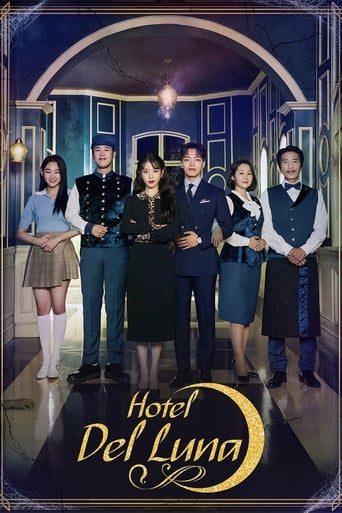
Twenty-one titles bend the rules of the world, and Korean drama does so with a lighter hand than most. The immortals are lonely and well dressed. The goblin of Guardian: The Lonely and Great God has had nine centuries to think about love. The fox spirit of Tale of the Nine Tailed has waited six hundred years for one person, and the one in My Girlfriend Is a Gumiho simply wants to become human and eat beef. Hotel Del Luna is a grand hotel in the middle of Seoul whose guests have one last wish to settle, run by a manager who has been on duty for more than a thousand years.
Other dramas open doors between worlds. In W a surgeon is pulled into the comic strip her father draws and meets its hero. The King: Eternal Monarch links a Korea that is a kingdom with one that is a republic. Tomorrow with You and About Time give their characters knowledge of the future, and Reunited Worlds returns a boy to his friends twelve years after he vanished, the same age as before.
Technology supplies a modern kind of magic. My Holo Love is a romance with an artificial companion who is visible only through a pair of glasses, Are You Human? puts an android in the place of a missing heir, and Love Alarm imagines a telephone app that rings when someone nearby is in love with you. Hi Bye, Mama! and The Light in Your Eyes use fantasy for deeper feeling, the first about a mother given forty-nine days with her daughter, the second about time itself. The fantasy page has the list.
Workplace dramas
Twenty-eight titles are set where people earn their living, and Korean drama is unusually good at making work interesting. Misaeng: Incomplete Life is the masterpiece of the kind. A young man who spent his youth training as a professional player of the board game baduk joins a trading company as an intern with only a school certificate, and applies the game's patience to office life. It was so true to the experience of young workers that its title entered everyday speech.
Search: WWW follows three women at the top of two rival internet companies. Start-Up is set among young founders in a technology campus, The Producers in the entertainment department of a broadcaster, Stove League in the front office of a baseball club that always finishes last, and Where Stars Land among the staff of a great airport. Good Manager gives an accountant with flexible morals an unexpected conscience, and Forecasting Love and Weather finds romance at the national weather service.
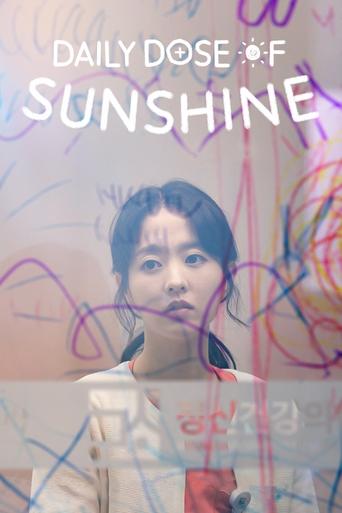
Hospitals are well represented. Good Doctor, from 2013, is about a young surgeon with autism and a perfect memory; it was later remade in America. Resident Playbook follows first-year residents in obstetrics, Daily Dose of Sunshine a nurse on a psychiatric ward who treats every patient with warmth, and Doctor Slump two former school rivals who meet again when both careers have stalled. The law has Extraordinary Attorney Woo and The Law Cafe, and the kitchen has Tastefully Yours and Eccentric! Chef Moon. The workplace dramas page lists the shelf.
School and youth
Twenty-two titles are about being young. The best known look back. Reply 1997 is set in the port city of Busan among six school friends, one of them a girl whose whole life revolves around a boy band, and it cuts between their teens and a reunion in their thirties where the audience must guess whom she married. Reply 1994 repeats the idea in a Seoul boarding house full of students from the provinces. Both are rich in the music, slang and television of their years, and both are funny and tender in equal measure.
Twenty Five Twenty One follows a schoolgirl fencer and a young man whose family lost everything in the financial crisis of 1998. Weightlifting Fairy Kim Bok-joo is set at a sports university, where a weightlifter and a swimmer who knew each other as children become friends and then more. Hello, My Twenties! shares a house with five young women of very different temperaments.
School dramas proper include True Beauty, about a girl whose skill with cosmetics changes how she is seen, A Love So Beautiful, At Eighteen, School 2017 and To the Beautiful You. Dream High is set in a performing-arts school and launched several stars. Cheese in the Trap and Doona! move the story to university. The school and youth page arranges them by age.
Comedy
Ninety-nine titles are comedies, and Korean comedy has a style of its own: broad, physical, quick to embarrass its heroes and quicker to forgive them. Mistaken identity is a favourite device. You're Beautiful hides a novice nun inside a boy band in place of her twin brother. Mr. Queen puts a man's bluntness in a queen's mouth. Business Proposal runs for twelve episodes on one false name, and My Girlfriend Is a Gumiho on a fox who is trying very hard to seem human.
The films are, if anything, funnier. Extreme Job is about a squad of detectives who open a fried-chicken restaurant as cover for a stake-out and find that the chicken is a great success; it became one of the most popular Korean films ever released. Scandal Makers presents a smooth radio host with a grown daughter he had forgotten and a small grandson. The Foul King turns a timid bank clerk into a masked wrestler, and EXIT sends two rock climbers up the outside of a city's buildings in a comedy of escape. The comedy page picks a dozen to start with.
Music
Thirteen titles follow musicians and dancers. Korea's pop industry supplies several. Dream High trains six teenagers for the stage, Imitation follows young idols at the start of their careers, The Best Hit brings a star of the 1990s forward in time, and You're Beautiful and Heartstrings are romances set among bands.
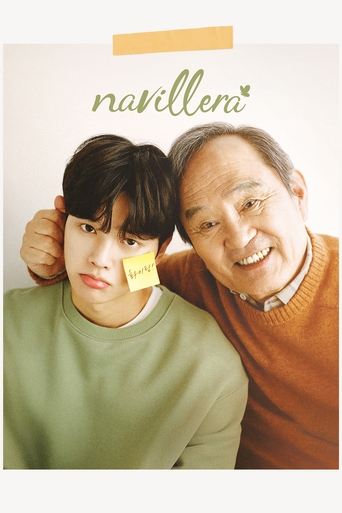
Classical music has Beethoven Virus, about a fearsome conductor and an orchestra of amateurs, Naeil's Cantabile, set in a conservatoire, and Do Do Sol Sol La La Sol, in which a pianist who has lost her fortune starts again in a small town. The loveliest of all is Navillera: a retired postman of seventy decides to learn ballet, the dream of his boyhood, and is taught by a gifted young dancer who has lost his way. It is twelve episodes long and close to perfect. The music page has the list.
Family stories
Twenty titles are about families and neighbours. The weekend family drama is a tradition in itself: fifty or a hundred episodes, three generations, several marriages and a great many meals. My Only One runs to 106 episodes, Once Again to a hundred and Wonderful Days to fifty. They are meant to be lived with over months, an episode or two at a time, and their rewards are those of a long family saga.
Shorter dramas treat the same subjects with more concentration. Our Blues moves among the fish sellers, sea divers and truck drivers of Jeju Island, giving each a chapter. When Life Gives You Tangerines follows one couple and their children through seventy years on the same island. Racket Boys sends a city boy to a village school with a badminton team of four, and Modern Farmer a rock band to grow cabbages.
The films are small and warm. The Way Home leaves a spoiled seven-year-old from Seoul with a grandmother in the mountains who is unable to hear or speak, and watches him learn what love looks like. Marathon is the true story of a young runner with autism and his mother. Keys to the Heart reunites a faded boxer with a brother who is a gifted pianist, and Inseparable Bros is about two friends who have been each other's hands and head for twenty years. The family stories page gathers them.
Korean movies
Forty-nine films stand beside the dramas, for evenings when sixteen hours is too much to promise. The comedies have been mentioned. Space Sweepers is a cheerful adventure about a crew that collects debris in orbit and finds a small girl on board. Red Shoes and the Seven Dwarfs is an animated fairy tale with a twist, and Vanishing Time: A Boy Who Returned is a gentle fantasy about a friendship that crosses years in a moment.
Romance has many films. A Millionaire's First Love sends a rich heir to finish school in the countryside. Cyrano Agency is about a firm that stages love stories for shy clients. Ditto connects a student of 1999 with one of 2022 through an old radio, and Finding Mr. Destiny, Love Forecast, My Love, My Bride and Single in Seoul are light comedies of the heart. More Than Blue and Josée are for an evening that calls for tissues.
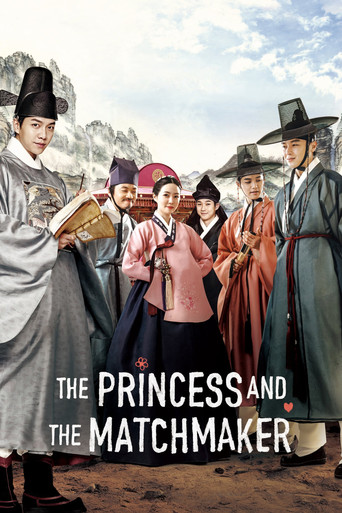
Period films include The Royal Tailor, about two rival dressmakers at court, The Princess and the Matchmaker, and The Book of Fish, filmed in black and white, in which a scholar sent into exile on a remote island learns about the sea from a young fisherman. MAL·MO·E: The Secret Mission tells how a group of scholars and ordinary citizens compiled the first Korean dictionary, and Samjin Company English Class follows three office workers of 1995 who uncover a secret at their firm. The Korean movies page sorts them by mood, and the movies shelf holds all forty-nine.
The early favourites
Twenty-six titles date from before 2010, the years in which Korean drama first travelled abroad. Hotelier, from 2001, is set among the staff of a grand Seoul hotel. Full House made its two young leads famous across Asia in 2004. My Girl, Prince Hours, Brilliant Legacy and You're Beautiful followed, each a hit well beyond Korea, and Beethoven Virus showed that a drama about an orchestra could top the ratings.
The films of the same period include several that critics still treasure: The Way Home, Take Care of My Cat, about five friends drifting apart after school in the port of Incheon, The Foul King, The Harmonium in My Memory, set in a village school of the 1960s, and Take Off, the true story of Korea's first national ski-jumping team. The before 2010 page lists them, and the era by era page picks four titles from each period up to the present.
The habits of the form
Part of the fun of Korean drama is learning its customs, which fans discuss with affection. The first is the slow burn. Leads may spend half the series pretending to dislike each other, and a confession in the ninth or tenth episode is treated as an event. Viewers used to quicker romance are often surprised by how much more a held hand can mean when it has been delayed for ten hours.
The second is the second lead, a kind and patient rival who loves the heroine and is destined to lose. Fans call the ache this produces second lead syndrome, and dramas such as Start-Up and True Beauty divided their audiences down the middle. The third is the flashback to childhood, which often reveals that the couple met long ago, as in What's Wrong with Secretary Kim and Weightlifting Fairy Kim Bok-joo.
Then there is the food. Characters cook for one another as a declaration of feeling, eat ramyeon from the pot lid, share fried chicken and beer and grill meat at the table. Tastefully Yours and Chocolate are about chefs, and the village feasts of Hometown Cha-Cha-Cha are reason enough to keep snacks nearby. Rain, snow and cherry blossom all carry meaning: a first snowfall watched together is a promise.
Finally, the music. Each drama has its own soundtrack of songs, released week by week as the episodes air, and a ballad that plays during an important scene becomes inseparable from it. Fans of Guardian: The Lonely and Great God, Descendants of the Sun and Crash Landing on You can be transported back by a few bars. Knowing these habits adds to the pleasure; it is rather like knowing the rules of a favourite game.
From webtoon and novel
A good many of the dramas here began as webtoons, the scrolling comics read on telephones across Korea. True Beauty, Business Proposal, Cheese in the Trap, Love Alarm, Navillera, Misaeng: Incomplete Life and What's Wrong with Secretary Kim all have such origins, which explains their bright colours and their brisk, chapter-like episodes. W goes one step further and makes a webtoon its setting.
Others come from novels, Korean and foreign. Scarlet Heart: Ryeo adapts a Chinese novel, Naeil's Cantabile a Japanese comic and Good Doctor was itself adapted abroad. Reply 1997 and Reply 1994 were original scripts so rich in period detail that they read like memoirs. Whatever the source, the single-season shape keeps adaptation faithful: there is room for the whole story and little temptation to stretch it.
Seoul, Jeju and the villages
Korean dramas are generous guides to their country. Seoul appears in every mood: the glass towers of the office romances, the rooftop flats where young heroes live cheaply under the city lights, the palaces where modern characters wander in borrowed traditional dress, the banks of the Han River at night. Guardian: The Lonely and Great God and Hotel Del Luna hide their wonders in the old streets north of the river.
Jeju Island, far to the south, is the setting of Our Blues and When Life Gives You Tangerines, with its black rock, its yellow rapeseed fields and its women divers. The east coast gave Hometown Cha-Cha-Cha its harbour and red lighthouse. Reply 1997 belongs to Busan and its dialect, Racket Boys to the far south-west, and When the Weather Is Fine to a snowbound valley in the hills.
Historical dramas are filmed in preserved palaces and in folk villages built for the purpose, which visitors can walk through. Travel abroad is part of the romance too: Switzerland in Crash Landing on You, Quebec for the goblin, Cuba in Encounter. Many viewers finish a drama with a list of places to see, and the tourist boards are well aware of it.
Where to begin
A newcomer faced with 127 dramas may welcome a short path. For a first taste, choose something light and short. Business Proposal has twelve episodes and uses every one well. What's Wrong with Secretary Kim and King the Land are sunny office romances, and Hometown Cha-Cha-Cha is the best introduction to the healing drama.
If the first goes well, try one of the great ones. Crash Landing on You is the natural second step. Reply 1997 shows the form's gift for nostalgia, Misaeng: Incomplete Life its seriousness about ordinary work, and Guardian: The Lonely and Great God its way with fantasy. Navillera and Extraordinary Attorney Woo will win over a viewer who is wary of romance.
For those who prefer history, begin with Mr. Queen, which is funny enough to carry a newcomer through the unfamiliar titles and costumes, then move to The Red Sleeve. For a single evening, pick a film: Extreme Job if you want to laugh, The Way Home if you want to be moved. The new to Korean drama page repeats this advice in brief.
Watching with subtitles
Nearly every title here will be watched with subtitles, and a few habits make that easy. Sit close enough to read comfortably and give the first episode your full attention; within half an hour the reading becomes automatic. Korean has levels of politeness that English lacks, and a change from formal to familiar speech between two characters is often a turning point, so watch for the moment when the subtitles note it or when the tone of voice softens.
A few words will soon be familiar on their own: the terms younger people use for older brothers and sisters, which are also used for friends and sweethearts; the cheerful word of encouragement that characters call out to one another; the expressions of thanks and apology. Picking them up is part of the pleasure, and many viewers find after a dozen dramas that they are listening as much as reading.
Services differ in the subtitles they offer, and JustWatch, which the Watch now button opens, shows which service carries each title in your country. Most offer English, and many offer a choice of languages. Dubbed versions exist for some dramas, though the original voices are so much a part of the performances that most fans stay with them.
Ten titles worth discovering
The famous dramas need little help, so here are ten that deserve more viewers. Navillera is the one that people press on their friends. Run On is a romance for grown-ups with unusually sharp dialogue. Be Melodramatic follows three friends of thirty working in television and is funny about love and work alike. Search: WWW is a rare drama led by three ambitious women. Stove League makes the management of a losing baseball team gripping for viewers who care little for sport.
Racket Boys is a warm comedy of village life. The Light in Your Eyes begins as a fantasy and ends as something far deeper, with a final episode that few forget. Hello, My Twenties! is honest about being young. Among the films, The Book of Fish is quietly beautiful and Take Care of My Cat is one of the best portraits of friendship in Korean cinema. Each is a short search away.
How long, how fast
The episode count on each card is the most useful number on the site, since it tells you what kind of commitment a title asks. The short dramas, of eight to twelve episodes, are a week's viewing: Navillera, Business Proposal, My Holo Love and Doona! among them. The standard sixteen, an hour or so each, fill a fortnight comfortably at an episode a night, or a single absorbing weekend for those so inclined.
Twenty episodes, as in Misaeng: Incomplete Life, Mr. Queen and Our Blues, allow a larger cast and a slower build. The long historical dramas are a different undertaking. Hur Jun has sixty-four episodes, The Great Queen Seondeok sixty-two and Jewel in the Crown sixty, and their pleasure is that of a great nineteenth-century novel, in which a child grows into an adult before your eyes. The weekend family dramas are longer still, and best treated as a companion through a season of the year.
Korean dramas are also paced within the episode in a way worth knowing. Each ends on a moment designed to make the next irresistible, a revelation, an arrival, a glance held a beat too long, and many close with a short epilogue that shows an earlier scene from another point of view. Staying through the credits is a habit that drama fans learn early.
The pleasure of a second viewing
Because a drama is planned as a whole, it repays being watched again. Reply 1997 hides clues to its central mystery in plain sight from the first episode. Guardian: The Lonely and Great God plants images in its opening hour that only pay off at the end. The Light in Your Eyes becomes a different story entirely once its secret is known, and W is built like a puzzle box.
Romances reward a return for another reason: the early quarrels are funnier when you know how fond the pair will become. Many fans keep one comfort drama that they revisit each year, Weightlifting Fairy Kim Bok-joo and Hometown Cha-Cha-Cha being frequent choices, in the way that others reread a favourite book. The My List feature is a simple place to keep such a title to hand.
A drama for every season
Korean drama pays close attention to the calendar, and so can its viewers. Spring belongs to cherry blossom and beginnings: A Love So Beautiful, One Spring Night and Business Proposal. Summer suits the seaside village of Hometown Cha-Cha-Cha, the fencing halls of Twenty Five Twenty One and the island light of Our Blues.
Autumn is the season of Guardian: The Lonely and Great God, with its red maple leaves, and of reflective dramas such as My Liberation Notes and Thirty-Nine. Winter has first snow, which lovers in dramas wait for, and When the Weather Is Fine, Crash Landing on You and Navillera are all at their best with a blanket and something hot to drink. Choosing by season is as good a method as any, and the search field will take you straight to the title you have in mind.
Why these stories travel
People sometimes wonder how a television tradition from one small country came to be loved so widely. Part of the answer is craft: the single-season shape, the polish of the photography, the care taken over music and costume. Part is restraint. These dramas are romantic yet modest and emotional yet sincere, which makes them easy to share across ages and cultures.
The largest part is feeling. Korean drama takes seriously things that much modern entertainment treats lightly: duty to parents, loyalty between friends, the dignity of ordinary work, the courage it takes to say what you feel. A viewer anywhere recognises those concerns. The settings may be unfamiliar at first, the honorifics and the side dishes and the school uniforms, but the hearts are the same, and that is why a story from Seoul or Jeju can make someone on the other side of the world cry at a bus stop scene and then telephone their mother.
Dramas drawn from life
Several titles on the site rest on real events or real professions, carefully researched. Hur Jun and Jewel in the Crown are built around figures from the royal annals. The Red Sleeve follows the recorded life of a king and the court lady he loved. Among the films, Marathon and Take Off are true sporting stories, MAL·MO·E: The Secret Mission recalls the scholars who preserved the Korean language, and The Book of Fish is based on a book about sea life written by an exiled scholar two centuries ago.
The workplace dramas are true in another sense. Writers spend months inside hospitals, law firms and newsrooms before a script is finished, and the detail shows. Misaeng: Incomplete Life was praised by office workers for its accuracy, Stove League by people who run sports clubs, and Daily Dose of Sunshine by nurses. Extraordinary Attorney Woo was written with advice from specialists so that its heroine would be drawn with respect.
That grounding is one reason the form is trusted by its audience. Even a fantasy about a goblin or a queen with a chef's soul is anchored by kitchens, classrooms and offices that feel lived in. A viewer learns a good deal about daily life in Korea along the way, from how a company dinner is conducted to how exam season grips a whole household, and that quiet education is among the lasting rewards of watching.
After your first ten
Once a viewer has seen ten dramas, taste begins to form, and the catalogue can be used more deliberately. Those who loved the office romances should explore the workplace shelf for something with more bite, such as Search: WWW or Good Manager. Those who loved the goblin should try Hotel Del Luna and Tale of the Nine Tailed. Admirers of the Reply dramas will find the same warmth in Twenty Five Twenty One and Racket Boys, and anyone moved by Navillera should go straight to The Light in Your Eyes and Our Blues. The shelves were arranged to make such next steps easy, and the counts on each button show how much remains.
It helps, too, to follow writers as well as actors. The team behind the Reply dramas went on to make other ensemble pieces in the same spirit, and Resident Playbook comes from that family. The writer of the goblin's story also wrote Descendants of the Sun and The King: Eternal Monarch. A name noticed in the credits of a favourite is often the surest guide to the next one.
Faces you will meet again
Korean drama has a company of much-loved actors, and following one is a fine way through the catalogue. Park Seo-joon leads What's Wrong with Secretary Kim after stealing scenes elsewhere. Park Min-young appears in that drama, in Her Private Life, Forecasting Love and Weather and Love in Contract. Gong Yoo is the goblin. Hyun Bin and Son Ye-jin, the couple of Crash Landing on You, later married in real life, to the delight of their audience.
The singer and actress IU appears in Dream High as a schoolgirl, in The Producers, Scarlet Heart: Ryeo and Hotel Del Luna, and as the heroine of When Life Gives You Tangerines. Park Bo-gum leads Encounter and the same Jeju saga. Kim Seon-ho moved from the second lead of Start-Up to the hero of Hometown Cha-Cha-Cha, and Park Eun-bin from child roles to Stove League and Extraordinary Attorney Woo. Type any name into the search field and the titles appear at once.
The top-rated shelf
Forty-seven titles hold an average of eight or higher, a high share that reflects the devotion of drama audiences. When Life Gives You Tangerines leads, followed by Guardian: The Lonely and Great God, Alchemy of Souls, Navillera, Misaeng: Incomplete Life, Extraordinary Attorney Woo, Crash Landing on You, Weightlifting Fairy Kim Bok-joo, Business Proposal and Mr. Queen. The Top rated shelf lists them in order.
Using DramaSee
The white bar across the top has a crimson line above it, the name at the left, a rounded search field and the links to the main shelves. The home page opens with a short introduction and continues with eight sections. Each has a round, bold heading with a line of description beneath and a crimson button showing the size of the shelf. The posters stand five to a row with rounded corners; a yellow rating sits in the corner of each, and the year and the number of episodes are printed below the title.
A drama page begins with the poster and the title, then the year of broadcast, the number of episodes and the rating, the leading actors and a few lines about the story. The episodes follow in order with their dates. Films have the same page with a running time in place of the episode list. To watch, set your country and press Watch now, and JustWatch will show the services that carry the title where you live. Add to My List keeps a title on a shortlist held in your own browser; the My List link opens it, every entry has a Remove button, and the list page will save a copy as a file. The My List page explains each step.
A season of drama
For a first season with the catalogue, take five dramas and three films. Begin with Business Proposal, twelve episodes of pure fun. Follow it with Crash Landing on You, then change mood with Reply 1997. Give a quiet fortnight to Navillera and finish with When Life Gives You Tangerines.
Between dramas, watch a film: Extreme Job after the first, The Way Home after the third, The Book of Fish before the last. At an episode a night with weekends for catching up, the plan takes about three months, and by the end you will have a favourite actor, a favourite song and a strong wish to visit Jeju. The sections on the home page will supply the next season.
Questions and answers
The questions below are those most often asked about DramaSee, with short answers. Fuller help is on the help pages named throughout this guide, including the how to watch page.
Questions
What is DramaSee?
DramaSee is a guide to 127 Korean drama series and 49 Korean films made between 1999 and 2025, each with its cast, its episodes and a Watch now button to official services.
How many episodes are listed?
The 127 dramas have 2,610 episodes, and each drama page lists them in order with their dates.
Where should a newcomer start?
Business Proposal, Hometown Cha-Cha-Cha and Crash Landing on You are easy first choices, and the new to Korean drama page suggests more.
Which titles are rated highest?
Forty-seven titles hold eight or more, led by When Life Gives You Tangerines, Guardian: The Lonely and Great God and Navillera.
Is the catalogue suitable for families?
Yes. The selection favours romance, comedy and family stories and leaves out thrillers, horror and crime.
Are subtitles available?
Subtitles depend on the service; JustWatch shows which services carry each title in your country.
How does My List work?
Press Add to My List on a drama or film page. The shortlist lives in your browser, and the list page can save a copy as a file.
Does DramaSee host episodes?
DramaSee is a guide only. Every Watch now button opens JustWatch, which lists the official streaming, rental and purchase services for your country.
